How to Prevent Overheating in Electrical Enclosures
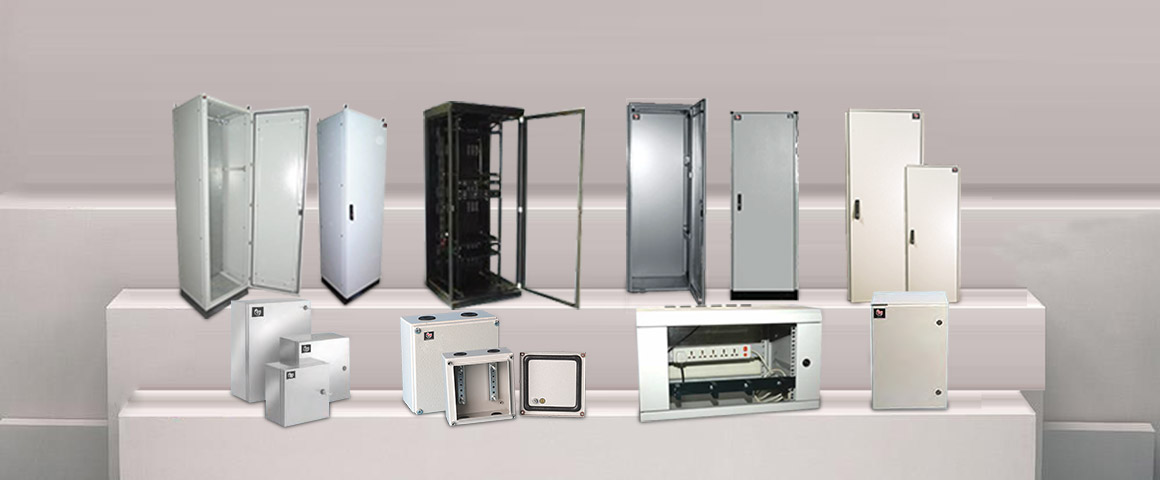
How to Prevent Overheating in Electrical Enclosures
A Complete Guide for Safe, Reliable & Long-Lasting Electrical Installations
Featuring BCH Electric — India’s Leading Enclosure Manufacturer
Electrical enclosures house some of the most critical components in any system—control panels, switchgear, PLCs, VFDs, relays, transformers, power supplies, and communication modules. As electrical load increases and components work for long durations, there is a high risk of heat buildup, especially in enclosed spaces.
Overheating is one of the most common causes of equipment failure, downtime, and even fire hazards in industrial, commercial, and outdoor applications.
This guide explains why enclosures overheat, how to prevent it, what technologies help, and why choosing a high-quality enclosure from BCH Electric can dramatically improve performance and safety.
 Why Electrical Enclosures Overheat
Overheating can occur due to several factors:
 High ambient temperature
Outdoor or factory environments often exceed 40–50°C.
Inadequate ventilation or airflow
A sealed box without airflow traps heat.
High power-density components
VFDs, transformers, and SMPS generate significant heat.
Poor enclosure material
Low-quality enclosures restrict heat dissipation.
Improper enclosure sizing
Too small = no air circulation + heat accumulation.
Solar exposure in outdoor installations
Direct sunlight increases internal temperature drastically.
Dust buildup
Blocks ventilation and airflow channels.
If not handled properly, overheating leads to:
Component burnout
Short circuits
System instability
Frequent tripping
Reduced equipment life
Increased maintenance costs
Read More Here


Comments
Post a Comment